The Rise of Home Paternity Tests: Precision, Confidentiality, and Ease
The growing popularity of home paternity tests highlights a significant change in how families navigate the verification of parentage. With reliability rates commonly reaching beyond 99%, these tests present a convenient means for collecting DNA samples. However, underlying privacy concerns about personal genetic information continue to exist. As more people evaluate such testing options, it is important to weigh the implications of accuracy, privacy, and emotional consequences. What elements should they focus on in their decision-making process?
How Do Home Paternity Tests Work?
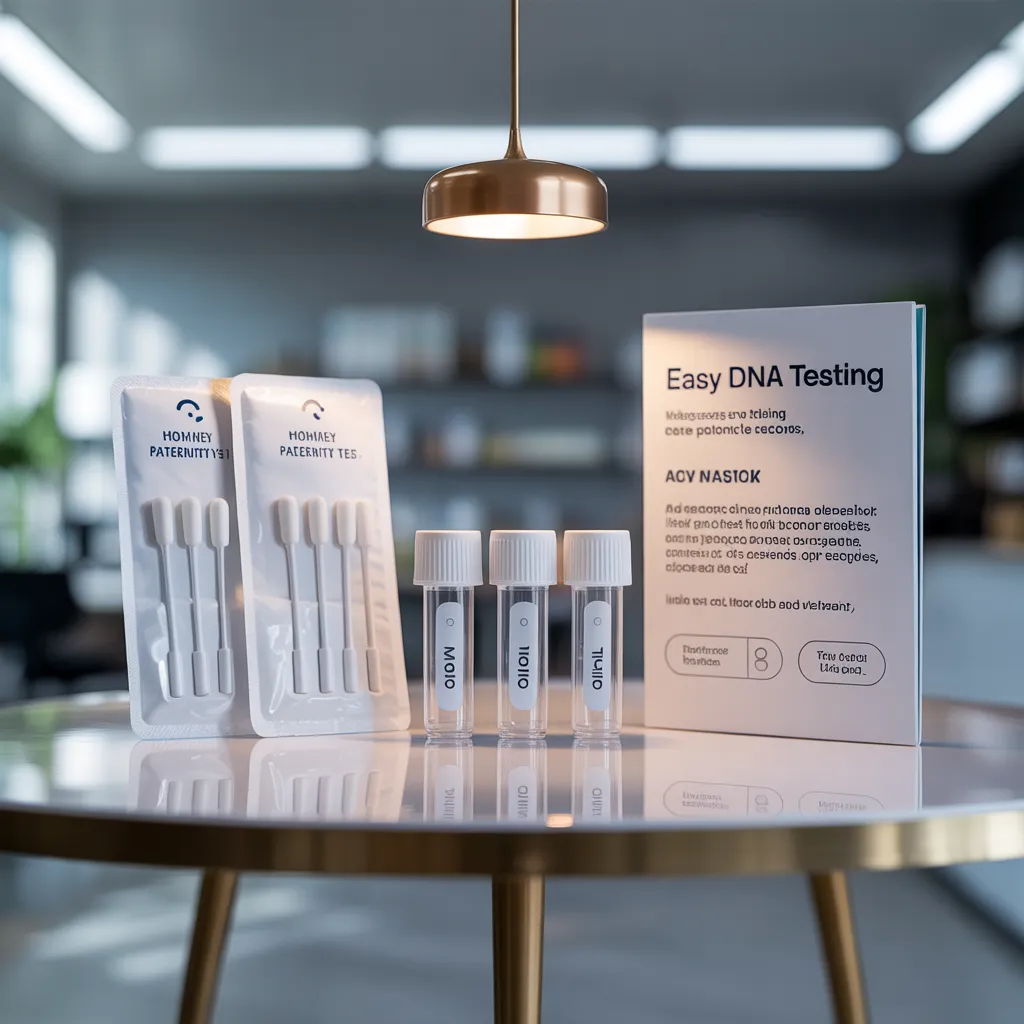
Residential paternity tests commonly work via a simple procedure involving the collection of DNA samples. People are provided with a test kit that includes swabs for collecting cheek cells, generally from the alleged father and the child in question. Individuals are directed to carefully swab the interior of their cheeks in order to collect an adequate amount of genetic material. After collecting the samples, the swabs are secured in provided containers and sent to a laboratory for analysis.
At the laboratory, the DNA is isolated and studied to identify specific genetic markers. This analysis compares the DNA patterns of the child and the alleged father to establish biological parentage. Results are usually available within a few days, and the procedure is intended to remain user-friendly, providing minimal stress. Home testing convenience attracts numerous individuals, allowing individuals to seek answers in the privacy of their own environment. This method emphasizes the assessment's rising demand as a reliable option for confirming paternity.
How Reliable Are Home Paternity Tests?
How dependable are at-home paternity tests for identifying biological connections? In most cases, these tests are reported to deliver a high accuracy rate, commonly exceeding 99% when administered under the right conditions. The process involves analyzing DNA specimens from the presumed father, child, and in some instances the mother, matching genetic markers to determine a relationship. Nevertheless, the reliability of results may be affected by elements such as sample contamination or incorrect handling procedures.
Many home tests use cutting-edge approaches akin to those found in professional labs, yet they may fall short of the stringent oversight associated with professional testing. In addition, results can vary between competing kits and providers, underscoring the importance of selecting a reliable source. While home paternity tests can provide a clear suggestion of genetic connections, individuals should approach them with caution, considering that significant emotional and legal ramifications may arise from the findings. In the end, for complete confidence, working with a professional testing facility is recommended.
What Are the Main Privacy Issues to Consider?
Whereas home paternity tests present explore here a practical method for confirming genetic connections, they simultaneously present notable concerns regarding privacy. The acquisition and processing of genetic data, commonly obtained through cheek swabs or saliva samples, can lead to unlawful access or exploitation. Many companies do not guarantee the privacy of provided specimens, leaving individuals vulnerable to security breaches and data exposure.
In addition, the data may be distributed to third parties without explicit consent, intensifying worries of discrimination or discrimination. Customers may also be uninformed of how their genetic information will be kept or potentially applied to research purposes.
Additionally, the psychological ramifications stemming from unexpected results can add complexity to the privacy framework. In summary, while these examinations present convenience and broad access, the shortage of robust regulatory frameworks and openness in how data is managed generates important inquiries about the privacy rights of individuals and authority over their individual genetic material.
How Do Test Outcomes Impact Emotional Well-Being?
The psychological impact from paternity test results can be significant and extensive. Individuals may experience a whirlwind of feelings, ranging from relief and joy to anger and betrayal. For many people, a positive match can confirm deeply held convictions, fostering a sense of connection and security. On the other hand, a negative result may lead to feelings of doubt, confusion, and heartbreak, particularly if a close family tie is brought into doubt.
These sentiments can extend beyond the individual to influence family relationships. Parents could wrestle with guilt or fear over the implications for their children, while brothers and sisters may experience changes in how they view family relationships. Additionally, societal stigma may intensify these emotions, as people manage the social pressures related to parenthood. Ultimately, the emotional toll of paternity test results varies widely, highlighting the complex interplay between identity, trust, and emotional well-being.
Key Factors for Choosing a Home Paternity Test
Steering through the complex emotions after paternity test results frequently causes people to think carefully about their next steps, particularly when deciding on a home paternity test. A number of important considerations require careful thought to secure a reliable and satisfactory outcome.
First, precision is essential; users should pursue tests that demonstrate strong sensitivity and specificity ratings. Additionally, the ease of use is vital; an uncomplicated collection procedure can help reduce anxiety. Privacy is another significant concern; trustworthy providers must ensure the safe management of personal information and outcomes.
Cost is also a factor; those considering the service should measure the fee against the test's legitimacy and available support. Finally, client feedback and testimonials offer valuable perspectives from previous users, helping individuals work through the various alternatives. By thoroughly considering these aspects, individuals can make informed choices that align with their needs and expectations.
Common Questions and Answers
Are Home Paternity Tests Legally Admissible in Court?
At-home paternity tests are typically not legally admissible in court because of accuracy concerns and the absence of standardized procedures. Courts generally mandate tests conducted by accredited laboratories to serve as valid legal evidence in paternity disputes.
How Long Does It Take to Get Home Paternity Test Results?
Results from home paternity tests generally take between three to five days to process. Certain providers offer accelerated processing services, shortening the processing time to as little as 24 hours, subject to the specific method of testing chosen.
Can I Retest if I'm Unsure of Results?
Yes, users can retest if unsure of their results. It is recommended to pause briefly before testing again to guarantee reliable results. Consulting a professional can also provide guidance on the right path forward.
Which Samples Are Required for At-Home Paternity Tests?
At-home paternity tests usually call for oral swab samples from the child as well as the potential father, although a number of kits are also compatible with blood samples. Correct collection and careful handling of these samples is critical to achieving accurate results.
Are There Age Restrictions for Testing Children?
There are generally no specific age restrictions for testing children with home paternity tests. That said, acquiring approval from a legal guardian is usually mandatory, making certain that the child's rights and privacy are upheld during the entire process.