The Emergence of Home-Based Paternity Tests: Accuracy, Privacy, and Convenience
The rise of home paternity tests reflects a notable transformation in how people navigate the verification of parentage. With accuracy rates often exceeding 99%, these assessments offer a accessible method for gathering genetic samples. However, underlying concerns about privacy about genetic data continue to exist. As a growing number of families explore this form of testing, they need to consider the consequences of accuracy, privacy, and emotional consequences. Which considerations should guide them in making this important decision?
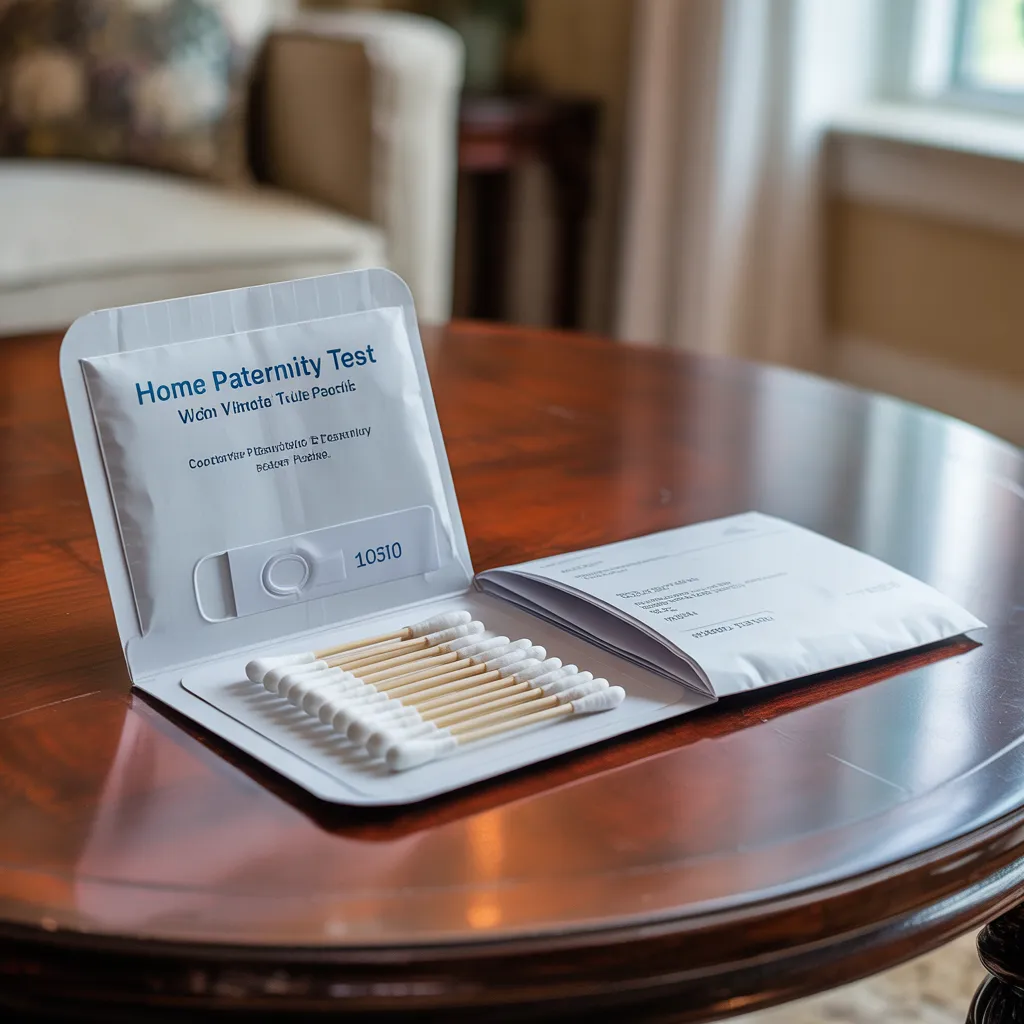
How Do At-Home Paternity Tests Work?
At-home paternity tests generally operate through a straightforward process involving the collection of DNA samples. Participants obtain a testing package that includes swabs for collecting cheek cells, typically from the potential father and child. Users are instructed to gently rub the swabs inside their cheeks to gather sufficient DNA material. After collecting the samples, the swabs are secured in provided containers and sent to a laboratory for analysis.
At the laboratory, the DNA is extracted and analyzed to determine distinct genetic characteristics. This analysis compares the DNA profiles of the child and the alleged father to confirm paternal relationship. Findings are typically ready within a few days, and the method is crafted to be user-friendly, guaranteeing little inconvenience. Home testing convenience attracts numerous individuals, enabling people to find results in the seclusion of their own home. This method emphasizes the examination's increasing recognition as a dependable choice for paternity verification.
What Is the Accuracy of Home Paternity Tests?
How dependable are at-home paternity tests for identifying biological connections? Generally, these tests claim to offer a high accuracy rate, often exceeding 99% when conducted correctly. These tests examine DNA samples collected from the potential father, child, and occasionally the mother, evaluating genetic markers to confirm a biological connection. Nevertheless, the reliability of results may be affected by elements such as sample contamination or incorrect handling procedures.
Most home tests utilize cutting-edge approaches comparable to those in detailed information clinical laboratories, yet they may be without the rigorous supervision linked to professional testing. In addition, results can differ between competing kits and providers, highlighting the importance of choosing a trusted supplier. While home paternity tests can provide a strong indication of familial relationships, individuals should proceed carefully, considering that significant emotional and legal ramifications may stem from the findings. In the end, for total assurance, consulting a certified laboratory is recommended.
What Are the Privacy Concerns?
Whereas home paternity tests present an accessible means of determining biological relationships, they also raise notable concerns regarding privacy. The gathering and management of genetic samples, typically collected as saliva or cheek swabs, has the potential to cause unauthorized access or misuse. Numerous providers fail to ensure the confidentiality of submitted samples, exposing individuals to the risk of data breaches.
In addition, the results may be shared with third parties without explicit consent, heightening worries of stigmatization or discrimination. Users may also be uninformed of how their genomic data will be stored or potentially utilized for research aims.
In addition, the psychological ramifications connected to unexpected results can further obscure the privacy framework. Taken together, while these tests provide convenience and broad access, the absence of strict regulatory oversight and openness in how data is managed generates important inquiries about individuals' rights to privacy and ownership of their own genomic information.
In What Ways Do Test Results Influence Emotions?
The emotional fallout from paternity test results can be profound and far-reaching. Those involved may experience a range of reactions, ranging from happiness and relief to feelings of betrayal and anger. For certain individuals, a positive match can affirm long-held beliefs, fostering a sense of connection and security. Conversely, a negative result may lead to emotions of uncertainty, bewilderment, and grief, particularly if a close family tie is brought into doubt.
These sentiments may reach beyond the person affected to influence relationships within families. Parents may grapple with feelings of guilt or anxiety concerning what this means for their children, while siblings might face alterations in their understanding of family structure. Moreover, societal stigma may intensify these emotions, as people manage the social pressures related to parenthood. At the core of it all, the psychological impact of the results of paternity testing can vary significantly, underscoring the intricate relationship between personal identity, trust, and mental health.
Important Factors to Consider When Choosing a Home Paternity Test
Navigating the emotional journey after paternity test results commonly prompts individuals to think carefully about their next steps, particularly when choosing a home paternity test. A number of important considerations deserve attention to ensure a dependable and favorable outcome.
To begin, exactness is critical; consumers are advised to select tests offering superior sensitivity and specificity scores. Next, usability is of great importance; a simple gathering process can ease concerns. Data protection is also a critical factor; reputable companies should guarantee secure handling of personal data and results.
Cost is also a factor; prospective users should balance the cost against the assessment's reliability and customer support. Finally, customer reviews and testimonials provide insights into the experiences of others, helping individuals work through the various alternatives. By thoroughly considering these aspects, users can reach thoughtful conclusions that suit their specific needs and standards.
Popular Questions We Receive
Can Home Paternity Tests Be Used as Legal Evidence in Court?
At-home paternity tests are generally inadmissible in court due to concerns about accuracy and the lack of standardized procedures. Courts generally mandate analyses carried out by certified laboratories to be considered credible legal proof in paternity proceedings.
How Long Does It Take to Get Home Paternity Test Results?
Results from home paternity tests generally take anywhere from three to five days for processing. A number of companies provide accelerated processing services, reducing the wait time to just 24 hours, based on the particular testing method selected.
Is Retesting an Option if I'm Uncertain About My Results?
Yes, individuals can retest if unsure of the results. It is recommended to wait a short period before repeating the test to guarantee accuracy. Seeking professional advice can also offer insight into the right path forward.
What Samples Do You Need for Home Paternity Tests?
Residential paternity test kits usually call for oral swab samples from the child as well as the potential father, however certain kits can also accommodate samples taken from blood. Correct collection and careful handling of these samples is critical to achieving accurate results.
Are There Age Restrictions for Testing Children?
There are generally no specific age restrictions for testing children with home paternity tests. However, obtaining consent from a legal guardian is typically required, making certain that the child's rights and privacy are upheld during the entire process.